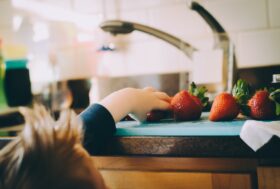

Dr Julian Grenier, Headteacher, Sheringham Nursery School and Children’s Centre, Director, East London Research School
Young children are naturally inquisitive. Popularly, we say that some children are ‘into everything’. Academically, Alison Gopnik – one of the world’s leading experts on child development – talks about the baby as ‘the scientist in the crib’ (Gopnik et al., 1999). If children are primed to learn about the world and are ready to investigate like scientists from their earliest days, what does this mean for us as Early Years educators? We might begin by acknowledging and celebrating children’s strong disposition to explore and learn about their world. As young children mix different substances together, they may feel, notice and talk about the changes. That will be true whether they are mixing mud, leaves and water together in the mud kitchen, or flour, yeast, salt, oil and honey to make bread. We can understand activities like these as early experie
Join us or sign in now to view the rest of this page
You're viewing this site as a guest, which only allows you to view a limited amount of content.
To view this page and get access to all our resources, join the Chartered College of Teaching (it's free for trainee teachers and half price for ECTs) or log in if you're already a member.