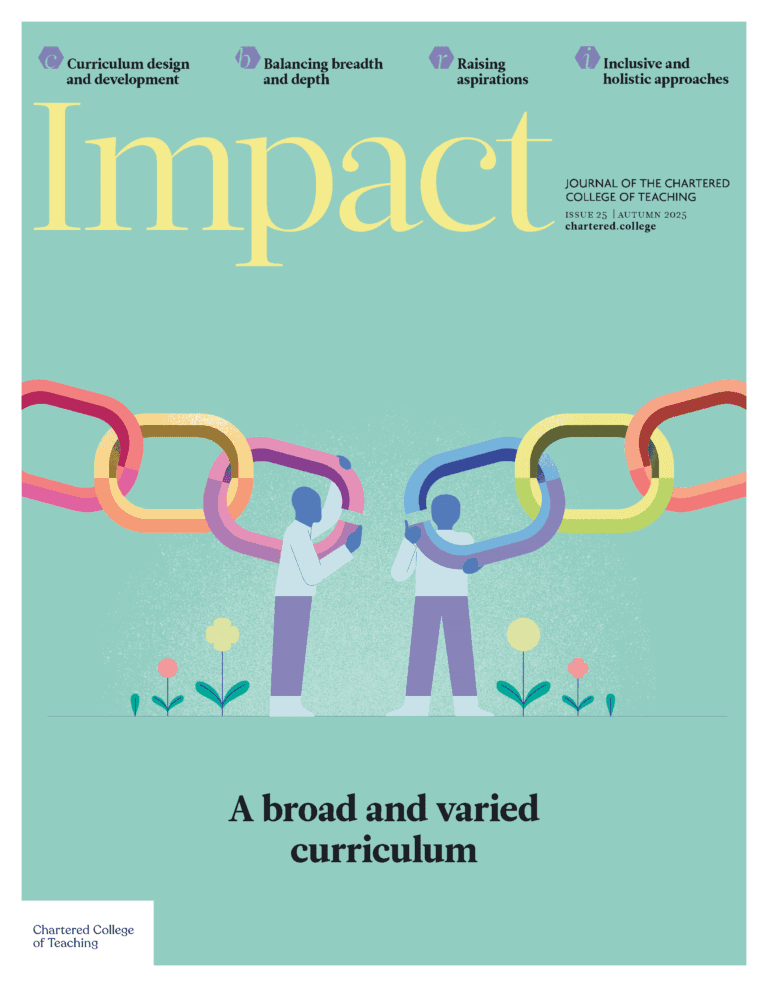
This issue explored the theme of a broad and varied curriculum, with sections on:
- Curriculum design and development
- Balancing breadth and depth
- Raising aspirations
- Inclusive and holistic approaches
Bitesize CPD includes curated selections of articles and resources on a particular topic, with additional learning features to support practical application in the classroom.
The ASE Annual Conference, in partnership with AQA, is the UK’s largest gathering for everyone involved in science education. Across three inspiring days, you’ll have access to 220+ sessions packed with keynotes, expert speakers, and hands-on workshops, a lively exhibition featuring publishers, exam boards, organisations, and resource providers and dedicated networking opportunities and social events
In this webinar Dr Lisa-Maria Muller, Head of Research and Policy at the Chartered College of Teaching will explore the concept of curriculum alignment, I.e.: the alignment between curriculum intentions (what governments want children to learn), implemented curricula (i.e. what is being taught in schools) and assessed curricula (i.e. what is ultimately assessed in exams).
Join us as we dig deeper into some of the key principles behind the book. This second event in a series of chapter deep-dives will explore the following chapter: Strategic evaluation for school leadership. We will be talking to the author of this chapter, Owen Carter, and Angela Schofield, who wrote a supporting case study on Multi-layered Evaluation.
Building on NACE’s ongoing research into how schools can provide cognitively challenging learning opportunities for all, this new publication focuses in on what this means for young people who face a range of barriers to achievement. Calling for a move away from fixed labels, preconceptions and “deficit thinking”, it shows what is possible when schools turn their attention to identifying and removing systemic barriers – changing those national statistics, one life at a time.
Through the work of Rethinking Curriculum we have been a strong advocate for playful learning throughout the primary phase. One of the key barriers that is often discussed in this approach is that of outcomes driven curriculum design. In this session, hear from an expert panel as they discuss why play is so developmentally appropriate and how it can lead to excellent outcomes for all children.
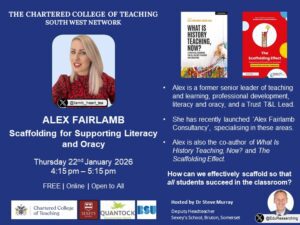
This talk will focus on how teachers can support students in progressing from being novice to expert learners, based on the research behind scaffoldingProgressively introducing students to new concepts to support their learning and adaptive teaching. Using tried and tested methods and with evidence drawing on cognitive science, Alex will present effective scaffolding methods across different settings and disciplines which seek to support students' improved literacy and oracy.
This webinar comes to you as part of a series, partnered with UNESCO to explore their Why the World Needs Happy Schools report, placing a spotlight on each of the four pillars. In this webinar, we will delve into the People pillar, and discuss how nurturing relationships, emotional safety and positive attitudes among students, school staff and families can positively impact learning outcomes and school improvement.
Resilience in education is a shared responsibility, one that spans schools, communities and educators. In a world of rapid change and new challenges, helping young people develop confidence and perseverance has never been more important. The National Football Museum in Manchester provides the perfect backdrop, where football itself offers everyday examples of resilience through teamwork, recovery and collective support.
Building on NACE’s ongoing research into how schools can provide cognitively challenging learning opportunities for all, this new publication focuses in on what this means for young people who face a range of barriers to achievement. Calling for a move away from fixed labels, preconceptions and “deficit thinking”, it shows what is possible when schools turn their attention to identifying and removing systemic barriers – changing those national statistics, one life at a time.
Join us for a panel discussion with authors of our book Teacher Recruitment, Retention and Career Progression: A Guide for School Leaders. The book supports leaders with recruiting, supporting and retaining teaching staff with a focus on building diverse and inclusive staff teams. It guides leaders to support those new to the profession whilst enabling all staff members to progress. Specifically, it supports leaders to address the barriers that people with protected characteristics might face in becoming teachers and progressing into leadership positions.
At Future Skills, we’ll explore how best to prepare young people for lives of curiosity, creativity and purpose. Our speakers bring a wealth of perspectives: Jason Elsom, CEO of Parentkind, will share insights into how families can best support their children’s ambitions; Juliet Silverton, CEO of BEP and a former teacher, will reflect on how schools can embed future-focused skills and strengthen careers provision; and Lauren Mistry, Deputy CEO of Youth Employment UK, will draw on national and regional data to uncover the latest trends in youth employment, highlighting the challenges and opportunities ahead.
In this expert panel webinar, we’ll explore key elements of the curriculum research landscape before examining central questions related to skills- versus knowledge-based curricula, inclusion and diversity, the challenges of the 21st century, and teacher autonomy. Throughout the session, we’ll draw out and weigh up differing arguments, highlighting the research that underpins current perspectives on curriculum development.
This special event brings together some of the UK’s most engaging voices to explore why creativity matters now more than ever. Historian and broadcaster David Olusoga will reflect on the role of culture and lived experience in shaping identity and belonging. Chris Zarraga will consider the policy shifts schools most need to champion creative learning. Adrianne Chapman will share how the BRIT School embeds creativity at the heart of education, and Amanda Rennison will show how BALTIC connects schools and communities through art and imagination.
THIS EVENT IS FOR GROUP MEMBERSHIP LEADS ONLY.
Join us for a short information session on Chartered College of Teaching group membership - if you've recently taken out a group package with us, this webinar will give an overview of our work as the sector's professional body, and key benefits your staff can access over the year ahead to support their practice. Any existing group member schools, trusts or organisations are also welcome, for a refreshed update on what's available.
Throughout the evening, we will hear inspiring voices leading this work across education and community life. Liz Moorse, Chief Executive of the Association for Citizenship Teaching, will share how teachers can strengthen their curriculum and access the support they need to make citizenship learning real and relevant. Ashley Hodges, CEO of Young Citizens, will draw on powerful examples of how early participation experience can ignite a lifelong passion for civic life.
Through the work of Rethinking Curriculum we have been a strong advocate for playful learning throughout the primary phase. One of the key barriers that is often discussed in this approach is not knowing how to implement effectively beyond EYFS. In this session, hear from a panel of expert teachers, leaders and facilitators who work to implement playful learning in their settings; developing your own toolkit of techniques to make your curriculum more playful.
Join us at the Bloomsbury Ballroom, where the blend of heritage and contemporary energy creates an inspiring space to explore how metacognitive strategies can shape the future of teaching and learning. This evening is a celebration of education; of the creativity, curiosity, and dedication that teachers bring to nurturing the next generation of thinkers.
This webinar will explore how building a thoughtful commitment to inclusive practice within CPD can enhance and improve pupil outcomes and foster a culture of growth. We will highlight strategies for embedding equity, supporting SEND, and ensuring that all students and staff have the ability to thrive.