Artificial intelligence is being heralded by many for its transformative potential in education, offering personalised learning experiences and more efficient school administration. But as AI use becomes more widespread, so do concerns about bias. Bias in AI algorithms can perpetuate inequalities, affecting student outcomes and reinforcing societal prejudices. Addressing this AI bias requires a nuanced […]
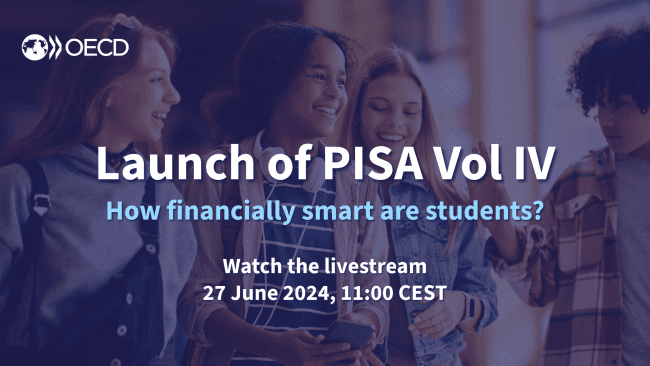
This volume presents the financial literacy results of the OECD Programme for International Student Assessment (PISA) 2022 and examines 15-year-old students’ understanding of money matters in 20 countries and economies. It explores the links between their financial literacy and their competencies in mathematics and reading, and differences across socio-demographic groups. Mathias Cormann, Secretary-General, OECD Andreas […]
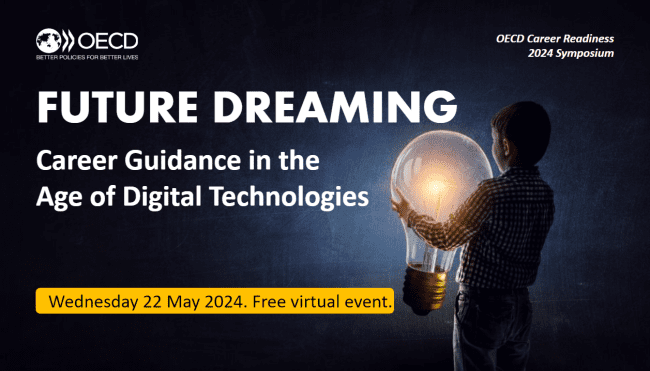
Digital technologies are an integral part of our everyday lives with important implications for career guidance. With use of generative AI now widespread, online tools provide new opportunities to personalise and extend the reach of career guidance activities, but also raise concerns, especially for students at-risk of being left behind. How do technologies help or […]
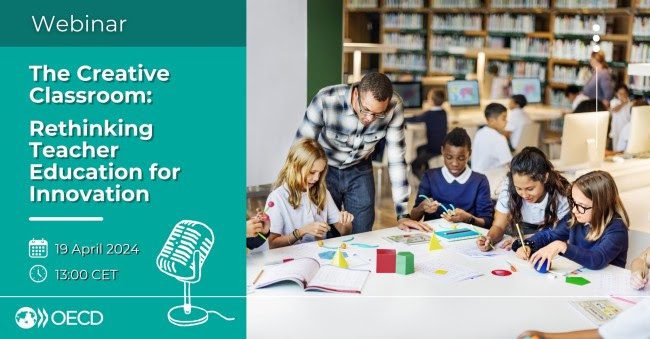
Unlock the power of creativity in education! Join our latest OECD webinar as we explore how countries are equipping educators to nurture student creativity and inspire innovative teaching methods. In celebration of World Creativity and Innovation Day on 21 April, discover a professional learning framework for teachers and leaders developed by the OECD’s Creativity and […]
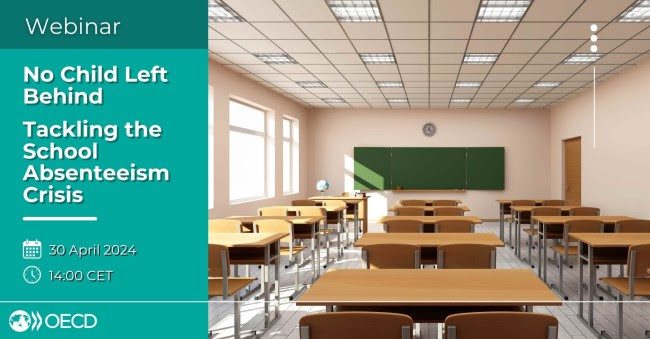
COVID pandemic-induced school closures hindered learning for young people around the world. Yet even today, many students across the OECD have failed to return to the classroom. Two-thirds of schools in the US are facing chronic absenteeism. In England, absences are 50% higher than before the pandemic, with more than one in five secondary pupils […]
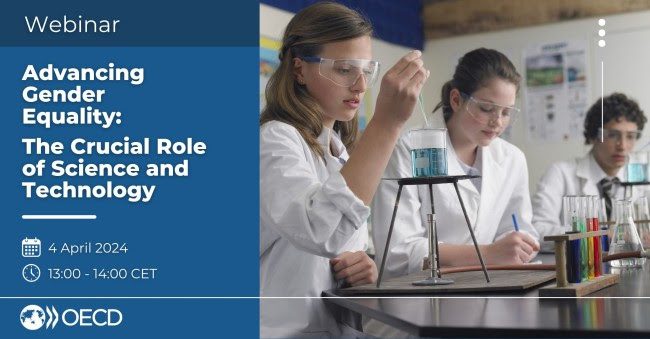
In recent decades, there has been a notable increase in the development of education policies that prioritise gender equality, spanning both during and post-education periods. The question of their effectiveness is subject to ongoing debate. Results from the 2022 Programme for International Student Assessment (PISA) confirm the persistence of gender disparities. For example, girls still […]
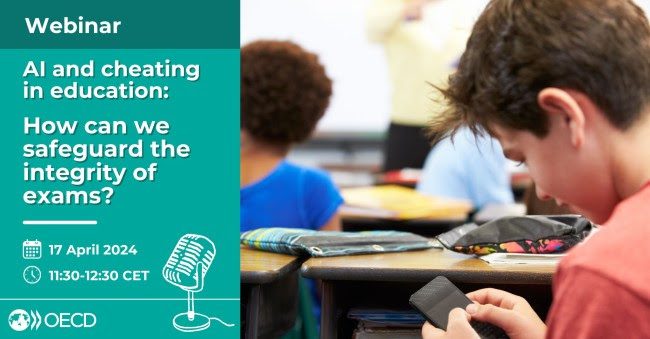
Cheating in high school exams is an age-old problem, but new technologies have made it easier than ever resulting in huge issues for fairness and credibility. In today’s digitally connected and AI inclusive world, ensuring the integrity of exams is a major challenge. From plagiarism detection software to solutions leveraging facial recognition and eye-tracking technology, […]
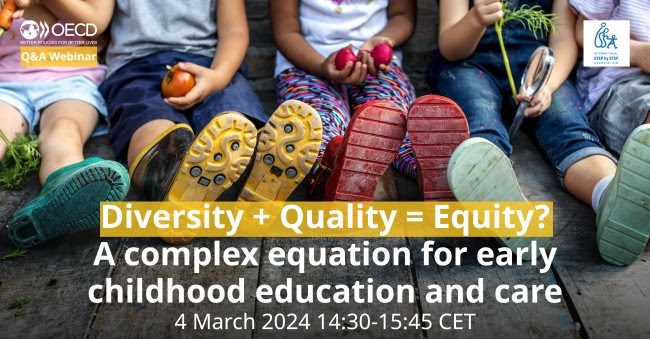
Join our Q&A webinar and explore the intersection of diversity and quality in Early Childhood Education and Care (ECEC) through OECD’s latest research. Discover correlations between dimensions of diversity and ECEC quality, delve into what aspects of quality matter most for diverse backgrounds, and identify policy priorities for enhanced provision. The discussion will be guided […]
Upper secondary education helps refine the interests and expertise of students, preparing them for future study or careers. Yet in a system that fails to offer sufficient student choice in subject matter, learners may disengage, not reach their potential, or even drop out of school. In our latest webinar focusing on upper secondary education, we’ll […]
Step into the future of English language education. Beyond timetabled lesson hours, today’s students are immersing themselves in English from an increasingly early age through diverse and exciting new avenues, reshaping the landscape of language acquisition. But with many countries and families investing considerable amounts to ensure students leave school with sufficient language skills, what […]
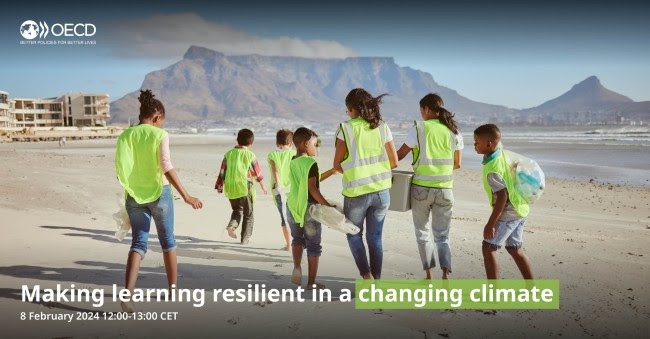
Climate change is here. Besides continuing to work to reverse emissions growth, we must adapt to its impacts, including on education. This means that not only must learners acquire new skills, but the very structure of education spaces must be reimagined to ensure uninterrupted learning in the face of extreme weather, flooding, and wildfires. Action […]
Artificial intelligence (AI) is touted as having the potential to revolutionise the way students learn and teachers teach. Among the benefits, AI can help prepare students for the challenges of the digital age, develop 21st Century skills and provide personalised feedback. However, there are many challenges including the need for technical expertise and ethical concerns. […]
Research evidence in education serves as a compass, guiding decisions on educational progress, equity and resource optimisation. Overcoming the challenges of harnessing research evidence in education for policy makers and practitioners involves fostering a culture of research engagement, as the OECD’s Strengthening the Impact of Education Research project explores. Join our Q&A webinar to learn […]
Research evidence in education serves as a compass, guiding decisions on educational progress, equity and resource optimisation. Overcoming the challenges of harnessing research evidence in education for policy makers and practitioners involves fostering a culture of research engagement, as the OECD’s Strengthening the Impact of Education Research project explores. Join our Q&A webinar to learn about crucial […]